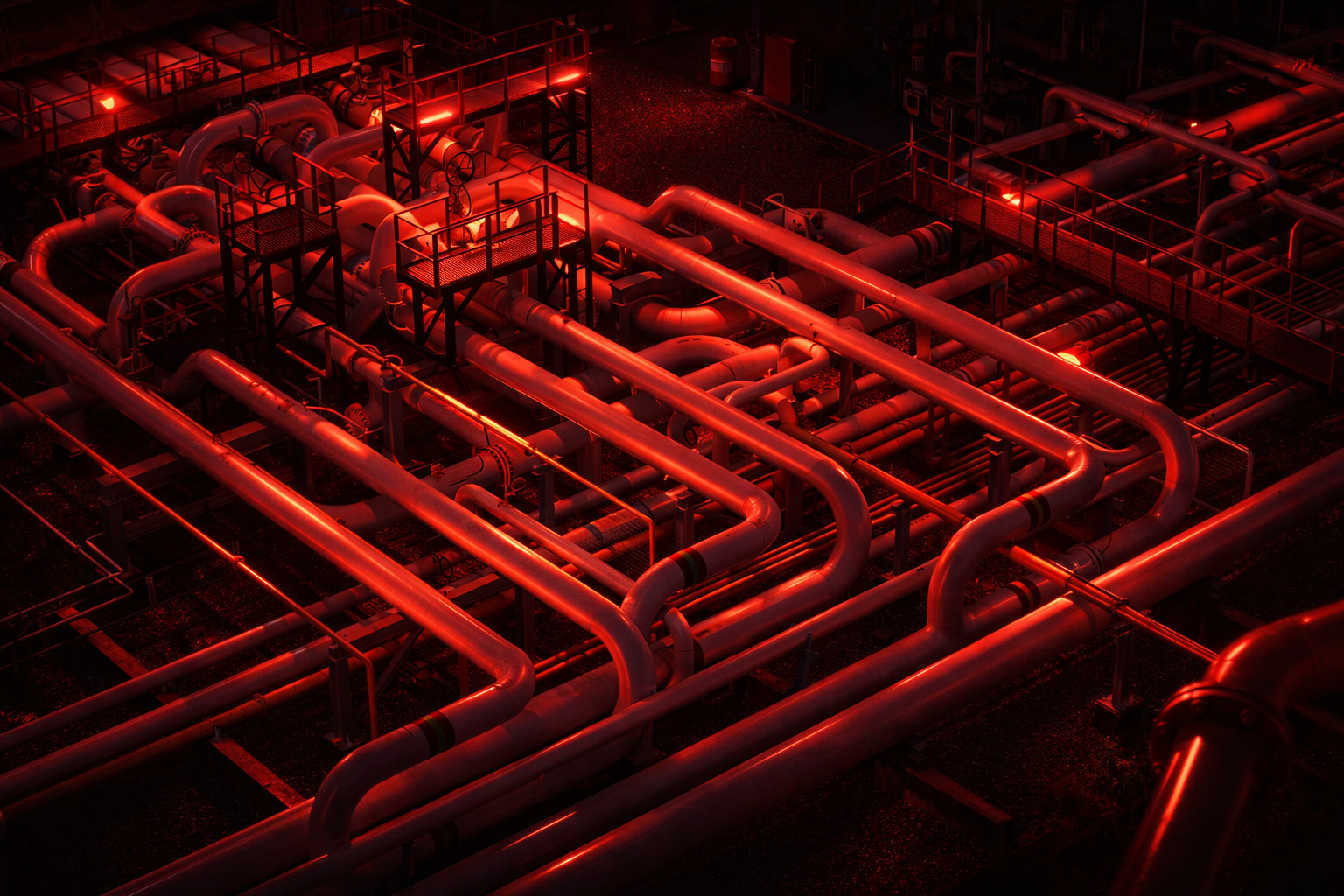
The geometry of piping fittings has a direct and measurable impact on system performance. Even when manufactured from the same material and standard, differences in shape and configuration can significantly affect flow efficiency, mechanical stress, and maintenance requirements.
Long radius elbows are designed with a centerline radius equal to 1.5 times the nominal pipe diameter. This geometry allows smoother directional changes, reducing turbulence and pressure loss. Compared to short-radius elbows, they also lower mechanical stress on pipe walls and welded joints.
These advantages make long radius elbows the preferred choice in continuous-flow and high-pressure systems.
Reducers are not interchangeable components. Concentric reducers provide a symmetrical diameter reduction and are ideal for vertical piping systems. Eccentric reducers, on the other hand, are designed to maintain a flat side, preventing air pockets or sediment accumulation in horizontal pipelines.
Choosing the wrong reducer type can lead to flow instability, corrosion issues, or operational inefficiencies.
Pipe caps are responsible for sealing and pressure containment at pipeline ends. Dished caps distribute internal pressure more evenly than flat closures, significantly improving resistance and reducing deformation risks. This design is essential in pressure piping systems where safety is critical.
Incorrect geometry increases maintenance needs, accelerates wear, and raises the risk of failure. Properly engineered fittings contribute to:
Geometry is not a minor detail—it is a core engineering parameter. Selecting the correct fitting shape ensures efficient flow, mechanical stability, and safe operation throughout the lifecycle of a piping system.